Lessons from the iMatter Harare Retreat 2026
When was the last time you did something simply because it mattered to YOU?
Not because your children needed you. Not because your husband, your employer, your business or your community expected something from you. But because somewhere beneath all the responsibilities, there is a woman who also needs your attention. For many women, that question is surprisingly difficult to answer. We have become so good at showing up for everyone else that we sometimes forget what it means to show up for ourselves. And often, we don’t even realise it is happening. We call it responsibility. We call it sacrifice. We call it love.
And yes, much of it is love.
But somewhere along the way, we can begin to lose sight of the woman we were before life became a long list of things that needed to be done. This is one of the reasons iMatter exists.
More Than a Weekend Away
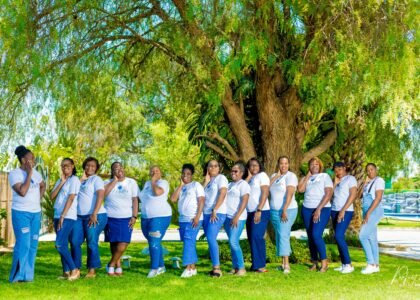
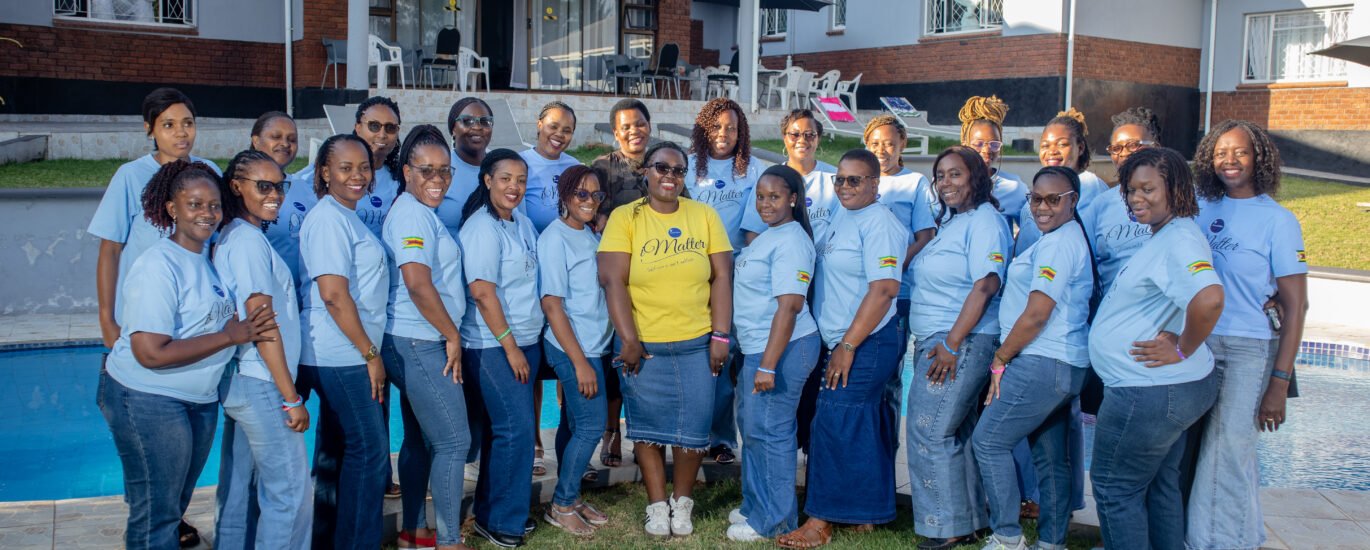
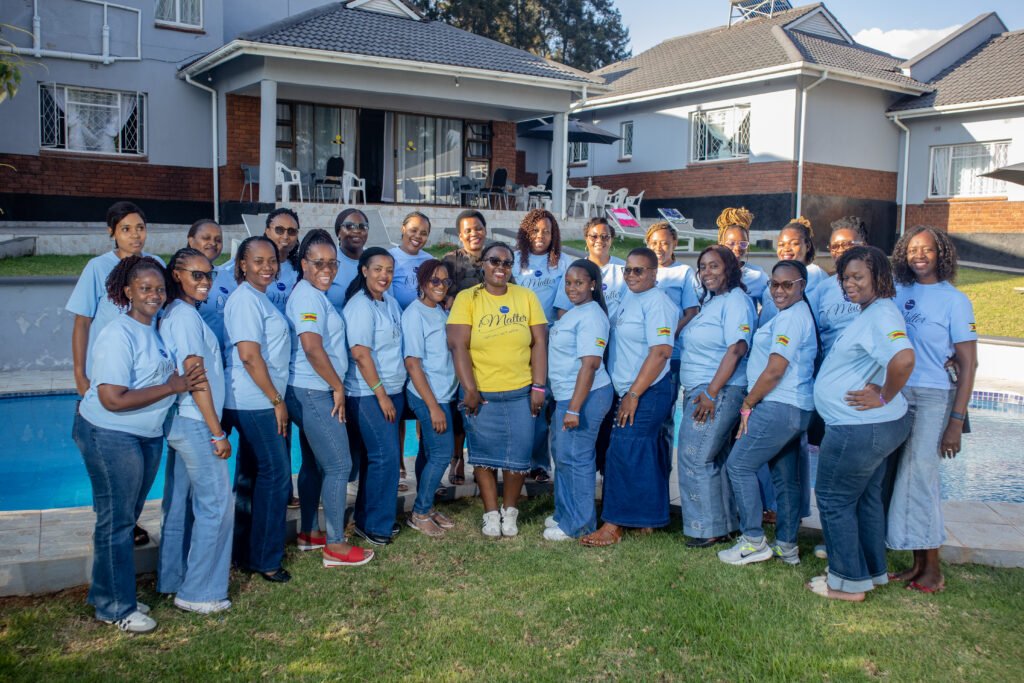
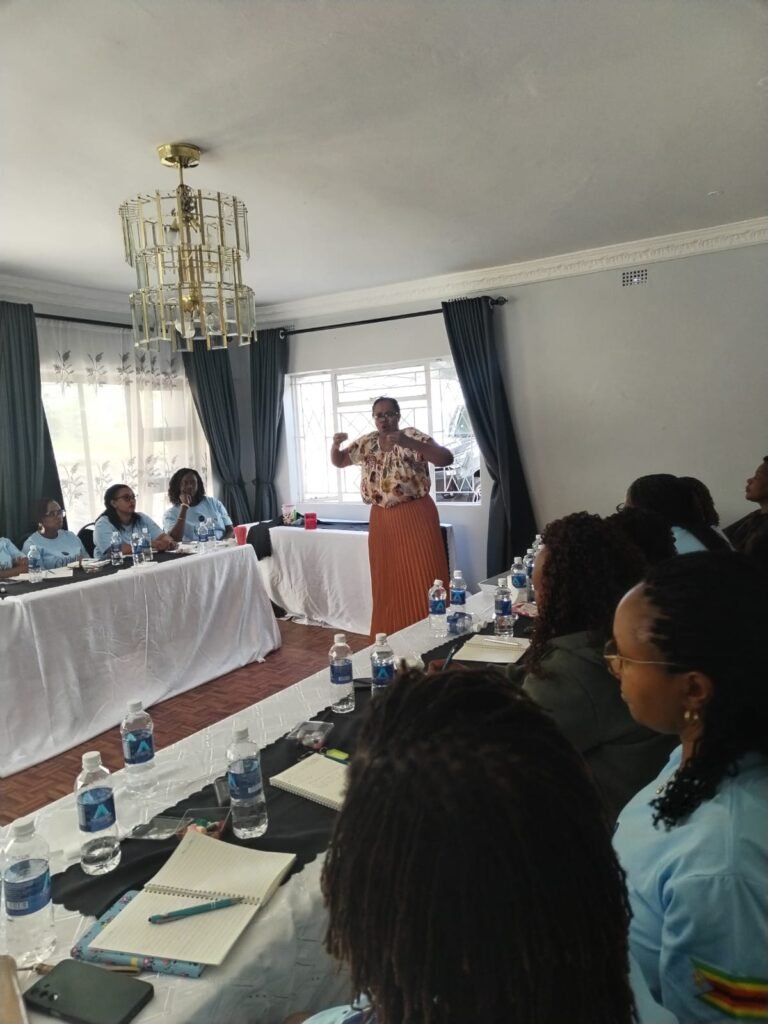
From 9–11 October 2026, women gathered in Harare, Zimbabwe, for the iMatter Retreat under the theme:
Your Past Is Your Stepping Stone.
We came from different backgrounds, carrying different stories. Some women were navigating difficult seasons. Others were searching for clarity, healing, direction or simply a moment to breathe. But beneath our different experiences was something we shared: the need to pause and reconnect with ourselves. The retreat was never intended to be just another women’s event.
It was an invitation. An invitation to slow down. To reflect honestly. To acknowledge the experiences that have shaped us. And perhaps most importantly, to begin looking at ourselves with the same compassion we so readily extend to others.
Sometimes the Strong Woman Needs a Place to Rest
There is something I have noticed in my years of working with women. We celebrate the strong woman. The woman who holds her family together. The woman who works hard, manages her home, raises her children, runs a business and somehow keeps going. We admire her resilience. But how often do we ask whether she is tired? How often do we give her permission to say, “I am not okay”?
Many women have become so accustomed to being needed that they struggle to recognize their own needs. And sometimes, the most powerful thing a woman can do is admit that she needs space to breathe. During the Harare retreat, conversations around emotional exhaustion, identity and the weight of past experiences reminded us that strength does not mean carrying everything without support. There is courage in acknowledging what hurts. There is wisdom in recognizing when something needs to change. And there is freedom in understanding that caring for yourself does not make you less committed to the people you love.
You cannot continually pour from a place of exhaustion and expect to remain whole.
Your Past Is Part of Your Story, Not the End of It
One of the central messages of the retreat was that our past experiences do not have to determine what becomes possible in our future. Every woman carries a story. Some chapters are filled with joy and beautiful memories. Others contain disappointment, regret, grief, rejection or decisions we wish we could revisit. And sometimes, without realising it, we allow those difficult chapters to shape how we see ourselves today. We begin believing that because something did not work before, it cannot work now. Because we experienced rejection, we are not worthy.
Because we made mistakes, we cannot begin again.
But what if we looked at those experiences differently?
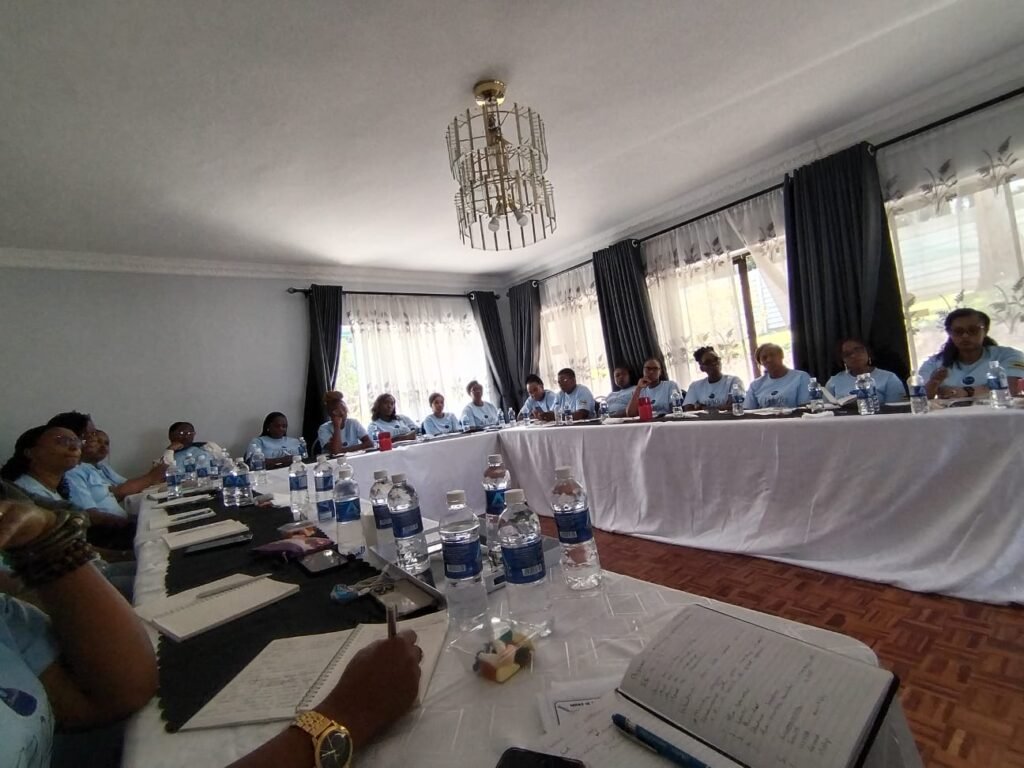
What if the very things we thought had disqualified us could become part of the wisdom we carry into our next season? That does not mean pretending the pain never happened. It means allowing ourselves the possibility of healing, learning and moving forward. During the retreat, Pastor Tiisetso Ncube guided women through sessions focused on emotional healing. These were important reminders that personal growth is not only about what we want to achieve next. Sometimes, it begins with acknowledging what we have been carrying for far too long.
What Happens After the Retreat?
This is the question that matters most to me. Because a beautiful weekend can inspire us. A powerful conversation can encourage us. A meaningful session can give us clarity.
But eventually, we return home. The school runs are still there. The bills still need to be paid. The business still needs attention. The family still needs us. And life continues.
So what happens to the woman who made the decision to choose herself during those few days? Does she slowly disappear beneath her responsibilities again? Or does she begin making small, intentional decisions that honour the woman she is becoming? I believe the real work begins when we return home.
It begins when a woman sets a boundary she previously struggled to set. When she makes time for prayer, rest or reflection. When she seeks support instead of carrying everything alone. When she decides to learn a new skill, pursue an opportunity or revisit a dream she had quietly abandoned. When she stops waiting for everyone else’s needs to be met before acknowledging her own. These decisions may seem small. But small, consistent decisions can change the direction of a woman’s life.
Choosing Yourself Is Not Abandoning Others
For many women, particularly within our African families and communities, choosing ourselves can come with a great deal of guilt. We have been raised with strong values of family, service, commitment and sacrifice. These are beautiful values. But sometimes we interpret them to mean that a good woman must always come last. That her dreams can wait. That her needs are less important. That wanting something for herself is somehow selfish. I believe we need to challenge that thinking. Choosing yourself does not mean choosing against your marriage. It does not mean neglecting your children. And it certainly does not mean abandoning your responsibilities. It means recognising that you are also a person worthy of care, attention, growth and opportunity.
A woman can be a loving wife and still have dreams of her own. She can be an intentional mother and still pursue her personal development. She can serve her community and still recognize when she needs rest. These things do not have to compete. In fact, when a woman becomes more intentional about her own wellbeing, she often gains greater clarity about how she wants to show up in every other area of her life.
The Woman Beyond the Roles
One of the questions I often encourage women to reflect on is: Who are you when you remove all the titles?
Not someone’s wife. Not someone’s mother. Not the business owner, employee, caregiver or community leader.
Just you.
What brings you joy? What matters deeply to you? What have you been postponing? What do you need in this season of your life?
These questions are not always easy. Sometimes they reveal how little time we have spent getting to know ourselves outside the roles we perform. But they also create an opportunity to begin again. And that is something I want every woman to remember:
You do not have to wait until everything around you is perfect before you begin paying attention to yourself. You can start right where you are.
The iMatter Journey Continues
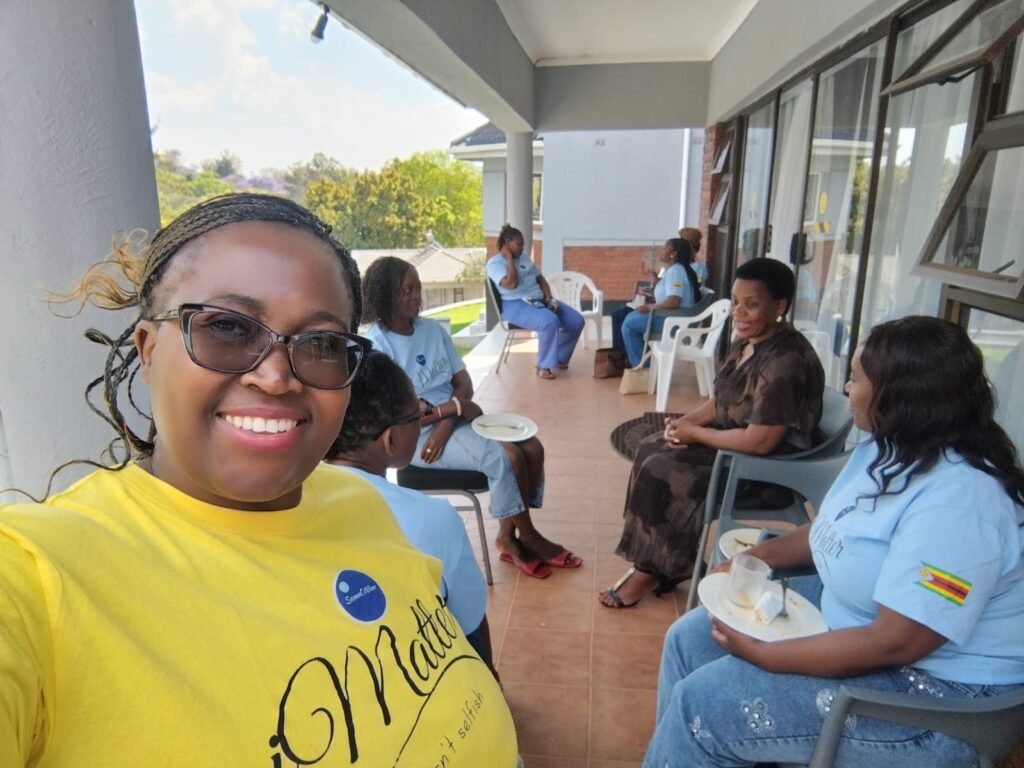
The Harare retreat may have ended on 11 October, but the conversations, reflections and lessons do not have to end there. For me, iMatter is not simply about organising retreats.
It is about creating spaces where women can pause, reflect, heal, grow and reconnect with who they are. It is about reminding women that their wellbeing matters alongside their families, careers, businesses and responsibilities. And it is about encouraging women to carry that understanding into everyday life. Because ultimately, the goal is not simply to feel renewed during a retreat. The goal is to build a life in which you no longer have to lose yourself to fulfil your responsibilities.
A Question for You
Whether you attended iMatter Harare or are reading about it for the first time, I want to leave you with three questions.
- What part of yourself have you neglected while taking care of everyone else?
- What is one thing from your past that you are ready to stop allowing to define you?
- What small decision can you make this week to honour yourself?
Take your time with these questions. You may even want to write your answers in a journal. And remember, you do not need to make a dramatic change overnight. Sometimes choosing yourself begins with one honest conversation, one boundary, one hour of rest or one decision to seek support. You matter, too.
And you always have.
Selfcare isn’t selfish.
Continue the Conversation
If this article speaks to you, I invite you to stay connected with the SamuONline and iMatter community. We have iMatter Tanzania coming up next year, get in touch

Together, we are creating spaces for women to grow personally, spiritually and professionally—without forgetting who they are along the way.
Visit www.samuonline.co.za to explore our community and programmes.